Saltwater vs Chlorine Pool: Costs, Care and Feel
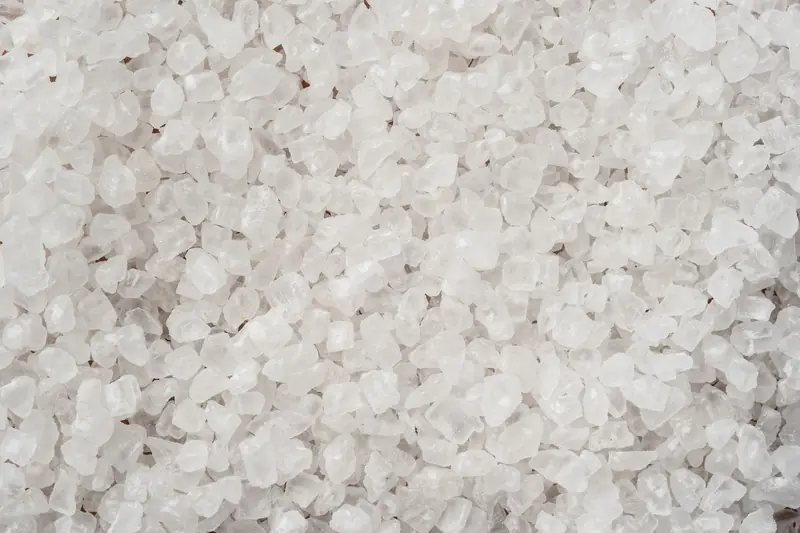
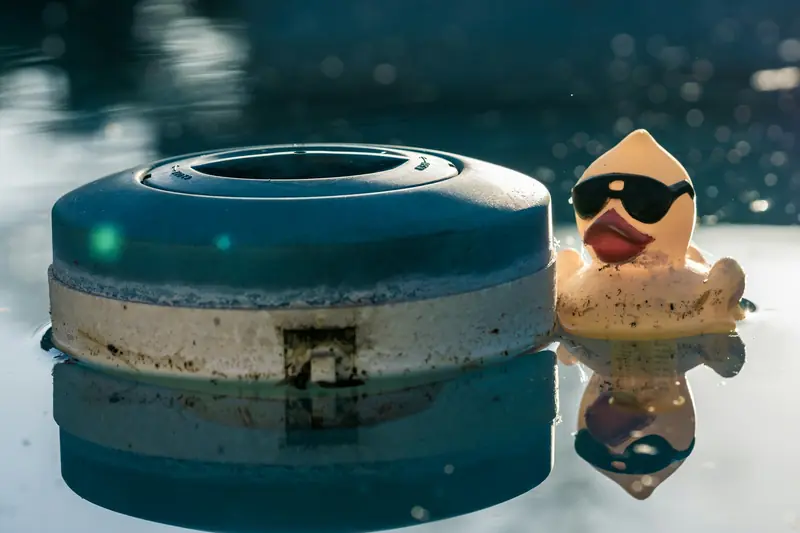
A saltwater pool still uses chlorine. The difference is where it comes from: a generator makes it from salt in the water, instead of you adding it by hand. Both need regular testing to the same CDC targets, so the real question is which routine you prefer.
Saltwater pool: the better choice if…
- You would rather add salt than handle chlorine products often.
- You want a generator that makes chlorine continuously.
- You are willing to pay more upfront for less hand-dosing.
Chlorine pool: the better choice if…
- You prefer low upfront cost and adding chlorine yourself.
- You are happy to follow the label and dose by hand.
- You do not want extra equipment to maintain.
Jump to section
At a glance
| Point | Saltwater pool | Chlorine pool |
|---|---|---|
| How chlorine gets in | Generator makes it from salt | You add chlorine products |
| Upfront vs ongoing cost | Higher upfront, cell replacement | Lower upfront, ongoing products |
| Weekly work | Test, check the cell | Test, dose by label |
| What stays the same | Test free chlorine and pH | Test free chlorine and pH |
| Effect on metal parts | Check equipment makers' guidance | Check equipment makers' guidance |
| Best fit | Low-dose routine | Simple, low-cost start |
How chlorine gets in
A saltwater pool uses a generator that makes chlorine from salt dissolved in the water. A traditional chlorine pool gets chlorine from products you add, following the label. In both cases the sanitizer is chlorine, and the water still needs testing. A saltwater pool is not chlorine-free.
Upfront and ongoing cost
We do not state prices, which come from the Amazon listing. In general, a generator adds an upfront purchase and a cell that wears out and must be replaced. A chlorine pool avoids that purchase but you buy chlorine products as you go. Compare cell life and warranty on our generator picks.
Weekly work
With a generator, you check the unit, the cell and the salt level as the manual describes. With added chlorine, you dose by the product label. Both routines include testing, and our test kit guide covers the options. Follow every product label for dosing, and never mix chemicals (CDC).
What stays the same
The targets do not change. The CDC says pools need free chlorine of at least 1 ppm and a pH of 7.0 to 7.8, and at least 2 ppm if you use cyanuric acid (CDC). The CDC also says to test chlorine and pH at least twice a day, and more often when many people use the pool.
Effect on metal parts
We do not claim a general effect of salt on metal parts, because the evidence we use comes from makers. Check the guidance from your pool, ladder and equipment makers, and follow it. Where a maker gives a limit for salt level, use that number and not ours.
Best fit
If you want a simple, low-cost start and are comfortable dosing by the label, a chlorine pool is the straightforward choice. If you want less hands-on dosing and accept the generator's cost and upkeep, a saltwater system may suit you. See our pool chemistry guide for the shared basics.
Which should you buy?
Choose a saltwater generator if you want less hand-dosing and are happy to maintain the cell. Choose to stay with added chlorine if you want a low upfront cost, and buy a good test kit either way.
Alternatives
Care is similar in both: read pool chemistry for beginners for the CDC targets, or how to shock a pool if the water is cloudy or green.
FAQ
Is a saltwater pool chlorine-free?
No. The generator makes chlorine from salt, so you test free chlorine and pH against the same CDC targets as for any chlorine pool (CDC).
Do both pool types need testing?
Yes. The CDC says to test chlorine and pH at least twice a day, whichever way the chlorine arrives (CDC).
Related
-
Buying guide
Best Saltwater Chlorine Generators for Pools
Pool rating, output, cell life and power type, side by side.
-
Buying guide
Best Pool Test Kits and Test Strips
DPD kits, strips and digital testers, compared on what they measure.
-
Guide
Pool Chemistry for Beginners: The Numbers That Keep Water Safe
The CDC chlorine and pH targets for pools and hot tubs, plus a weekly routine.
-
Guide
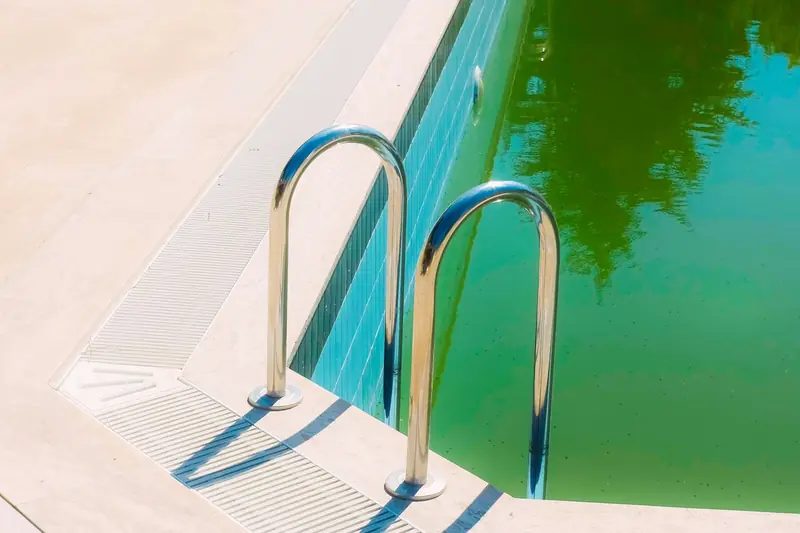
How to Shock a Pool Safely (and When You Need To)
Combined chlorine, the 10x rule, steps and chemical safety, from public-health sources.
-
Buying guide
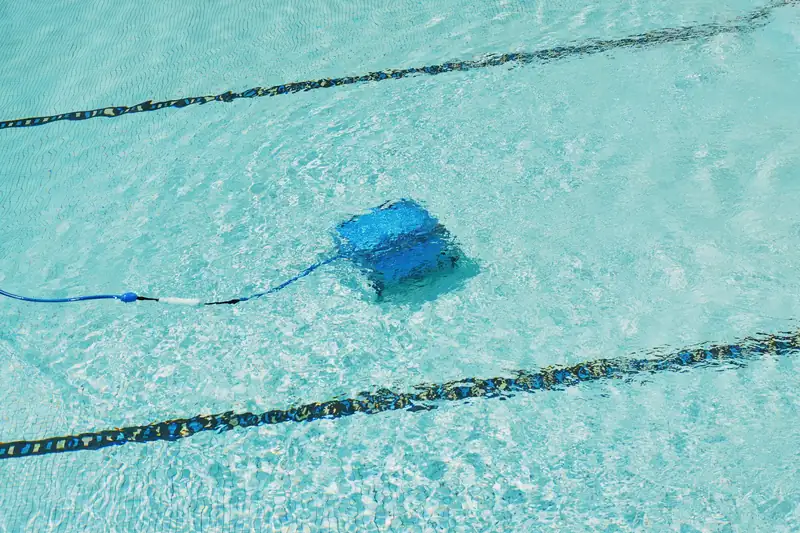
Best Robotic Pool Cleaners for Inground Pools
Pool size rating, coverage, power and filtration, side by side.

Get the weekly pool and hot tub checklist
A one-page printable checklist with the CDC water targets and the safety checks to run every week. Free, and sized to stick on the pool shed door.