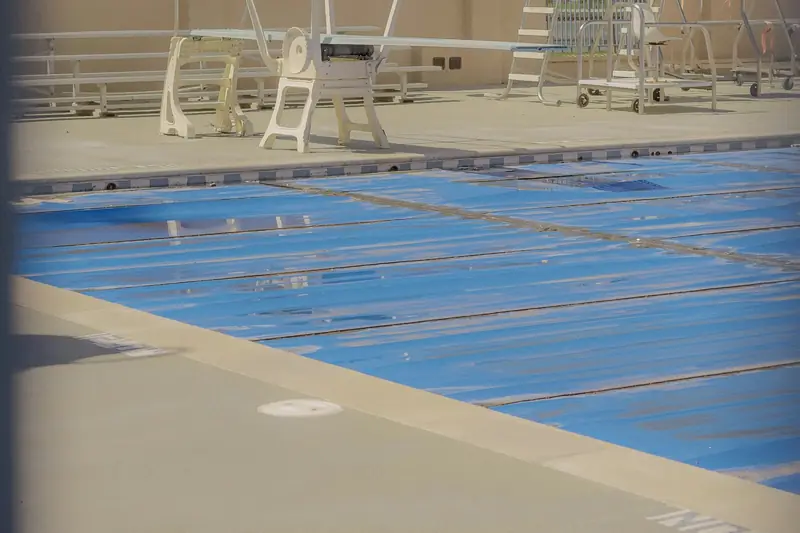
Best Solar Pool Covers
A solar pool cover floats on the water to help hold heat and slow evaporation. The decisions that matter are getting the size and shape right, choosing a thickness and UV resistance that last, and deciding whether you will use a reel. This page is for owners who want to stretch the swimming season without adding a heater. It is not a safety cover.
Jump to section
What we look for
Size and shape fit
a cover that is too small leaves water uncovered, and a cover that is too large needs trimming.
Thickness
thickness is the spec makers use to describe how heavy-duty a cover is.
UV resistance
sunlight breaks down cheap material, and the cover is in the sun all day.
Clear or blue
color changes how the cover looks and how makers describe its heating effect.
Cover reel
a reel makes removal easier.
Warranty
the warranty shows what the maker covers.
- Sources: manufacturer product pages, manuals and warranty terms, plus the U.S. Department of Energy swimming pool guidance and CPSC Pub. 362.
How to choose the right solar pool cover
A solar cover helps with heat, not safety. Read backyard pool safety so you know the difference, and see how to winterize an above-ground pool for the colder months. Start with the size and shape, since a cover has to match your pool. Then compare thickness, UV protection and color, and check whether you plan to use a reel. Read the warranty for what the maker covers. Finally, remember what the cover is for: the Department of Energy describes it as a way to reduce heating costs and evaporation, not as a safety device.
Size and shape fit
Match the listed size and shape to your pool, and check whether the cover is cut-to-fit. Follow the maker's instructions for trimming. Measure the pool itself, and compare the numbers with the Size and Shape columns.
Thickness
Check the Thickness column and compare it with how often you plan to remove the cover. Read the warranty for what the maker says about wear, and think about who will handle the cover each time.
UV resistance
Look at the UV inhibitor column and read what the warranty says about sun damage. The cover sits in the sun, so check how the maker describes its UV protection.
Clear or blue
Makers sell clear and blue covers, and each describes its own benefits. Compare those maker claims with what the US Department of Energy says: covers can potentially save 50-70% on pool heating costs and reduce evaporation (energy.gov).
Cover reel
Check whether the cover works with a cover reel and whether one is sold with it, using the Reel compatible column. Think about how you will handle the cover each time you swim.
Warranty
Compare the warranty length and its exclusions, such as damage from chemicals or sun, using the Warranty column. Keep the manual, and follow the maker's instructions for use and storage.
Tips for using your solar pool cover
- Take the cover off completely before anyone swims.
- A bubble cover is not a child-safety cover. Read backyard pool safety for the standard CPSC points to.
- Test your water regularly with a test kit, because a covered pool still needs testing.
FAQ
Are solar covers worth it?
The US Department of Energy says covers can potentially save 50-70% of pool heating costs and also reduce evaporation (energy.gov).
Is it a safety cover?
No. A bubble cover is not a child-safety cover. CPSC points to the ASTM F1346 standard for safety covers (CPSC Pub. 362).
Does a warmer pool cost much more?
The Department of Energy says each degree you raise the temperature can cost 10-30% more in energy, depending on where you live (energy.gov).
Can I swim with it on?
No. Remove it completely before anyone swims.
Do I still need to test the water under a cover?
Yes. A covered pool still needs its free chlorine and pH checked. The CDC says pools need free chlorine of at least 1 ppm and a pH of 7.0 to 7.8 (CDC).
What should I check on the label of a safety cover?
Only call a cover a safety cover if its label says it meets ASTM F1346 (CPSC Pub. 362). An ordinary solar cover is not a safety cover.
Should I choose clear or blue?
Makers sell both and each describes its own benefits, so compare the claims with what the US Department of Energy says about covers reducing heating costs and evaporation (energy.gov).
Can I trim a cover to fit?
Check whether the cover is cut-to-fit and follow the maker's instructions for trimming. Measure the pool first, and compare the numbers with the Size and Shape columns.
Related
-
Buying guide
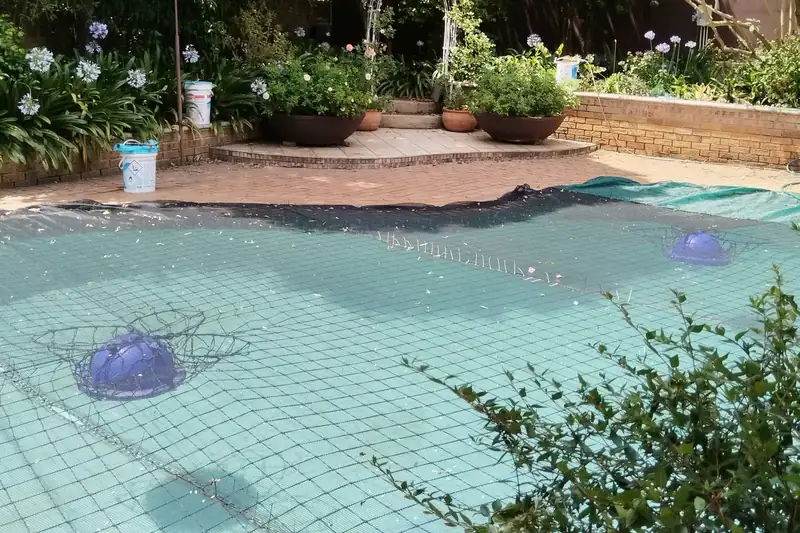
Best Winter Pool Covers for Above-Ground Pools
Size, overlap, solid or mesh, and how the cover is secured.
-
Buying guide
Best Above-Ground Pools for Backyards
Frame type, size, water capacity and setup, side by side.
-
Guide
Backyard Pool Safety: Fences, Gates, Alarms and Drains
CPSC barrier, gate, ladder, alarm and drain guidance, with the drowning numbers.
-
Buying guide
Best Robotic Pool Cleaners for Inground Pools
Pool size rating, coverage, power and filtration, side by side.
-
Guide
How to Winterize an Above-Ground Pool in 8 Steps
Balance, shock, clean, lower the water, pump, air pillow and cover, in order.
-
Buying guide
Best Saltwater Chlorine Generators for Pools
Pool rating, output, cell life and power type, side by side.


Get the weekly pool and hot tub checklist
A one-page printable checklist with the CDC water targets and the safety checks to run every week. Free, and sized to stick on the pool shed door.