
Best Above-Ground Pool Pumps and Pump-Filter Combos
The pump moves your pool's water through the filter, so its flow has to match the pool and the equipment. The main decisions are the flow rate for your gallons, single or variable speed, and whether it matches your filter and fittings. This page is for owners replacing a pump or choosing a pump-filter set.
Jump to section
What we look for
Flow matched to pool volume
a pump has to turn the pool's water over in a reasonable time.
Single or variable speed
a variable-speed pump can use much less energy at lower speeds.
Match to the filter
a pump that pushes more water than the filter is rated for hurts the filter and the plumbing.
Fitting size and compatibility
fittings that do not match your hoses mean extra adapters and leaks.
Noise
a quieter pump is easier to live with near the yard.
Warranty
the warranty shows what the maker covers if the pump fails.
- Sources: manufacturer product pages, manuals and warranty terms, plus the PoolSpaNews pump guide and ENERGY STAR pool pump page.
How to choose the right above-ground pool pump
Choosing a pump starts with arithmetic, not features. Read our pool pump size guide first, then check how the pump pairs with a sand filter. Work through three checks in order. First, find your pool's gallons and a flow that turns the water over. Second, check the pump against the filter's maximum flow and the size of your fittings. Third, decide between single and variable speed, using the ENERGY STAR figures above. The spec table lines these up, and the manual for each pick tells you how to install it and how long to run it.
Flow matched to pool volume
Start with your pool's gallons, pick a turnover time and convert it to flow. PoolSpaNews calls eight hours an adequate turnover time (PoolSpaNews), and our pool pump size guide does the arithmetic step by step. Compare the answer with the flow and pool size range in the spec table.
Single or variable speed
ENERGY STAR says halving a pump's speed lets it use one-eighth as much energy, and that variable-speed pumps are quieter (ENERGY STAR). Check the speed type and whether the pump carries the ENERGY STAR mark.
Match to the filter
Pump flow must not exceed the maximum flow recommended for the plumbing, filter and heater (PoolSpaNews). Check the filter's maximum flow before you buy, especially for sand filters.
Fitting size and compatibility
Look at the listed fitting size and compare it with the hoses or pipes on your pool and filter. Check that the pump's ports match, so that you know before you buy whether you will need adapters.
Noise
Check whether the listing gives a noise level or describes quiet operation. ENERGY STAR notes that variable-speed pumps are quieter (ENERGY STAR), so the Speed type column is a useful guide.
Warranty
Read the warranty length and what it covers. Keep the manual and the receipt where you can find them, and follow the maker's instructions for installation and winter storage so that a claim is not refused.
Tips for using your above-ground pool pump
- Check the manual for how long to run the pump each day. ENERGY STAR says running the filter 6 hours a day instead of 24 cuts energy use by 75% (ENERGY STAR).
- If you replace an old pump with one of the same horsepower, PoolSpaNews says water can move through the pipes too fast (PoolSpaNews).
- See sand vs cartridge filter if you are also choosing a filter.
FAQ
What size pump do I need?
Divide your pool's gallons by 8 hours to get the flow needed per hour, then divide that by 60 to get gallons per minute (PoolSpaNews).
Is variable speed worth it?
ENERGY STAR says that halving a pump's speed means it uses one-eighth as much energy, and that certified above-ground pumps use 11% less energy than standard ones (ENERGY STAR).
How many hours a day?
ENERGY STAR says running the filter 6 hours a day instead of 24 cuts energy use by 75% (ENERGY STAR). Make sure the run time still turns the water over.
Can a pump be too big?
It can. PoolSpaNews says flow above what the plumbing, filter and heater are rated for can cause cavitation and damage (PoolSpaNews).
Is the pump one of the larger energy users in a home?
ENERGY STAR says a pool pump can be a home's second-largest energy user (ENERGY STAR). That is one reason to compare the Speed type column and the ENERGY STAR flag.
Do I need a pump and filter together?
A pump moves water through the filter, so its flow has to match the filter's rating. A pump-filter combo is one way to start with a matched set, and our sand filter guide covers the filter side.
Related
-
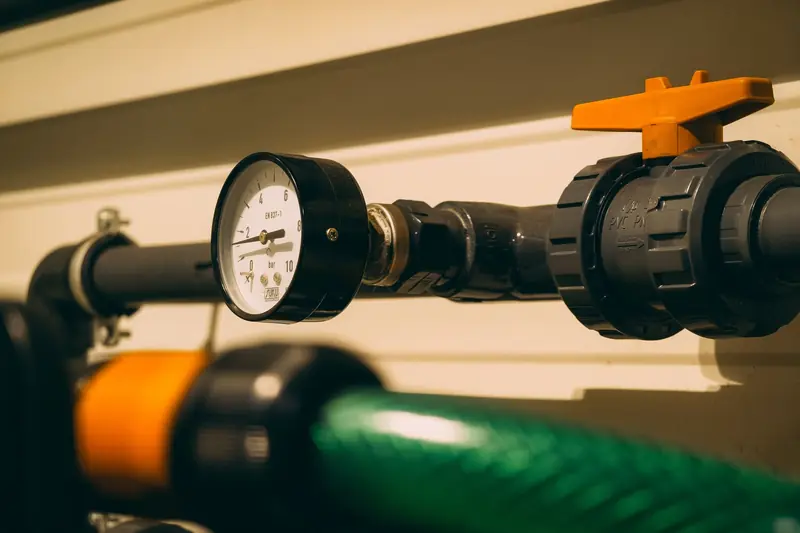
Buying guide
Best Sand Filters for Above-Ground Pools
Tank size, sand capacity, maximum flow and valve, side by side.
-
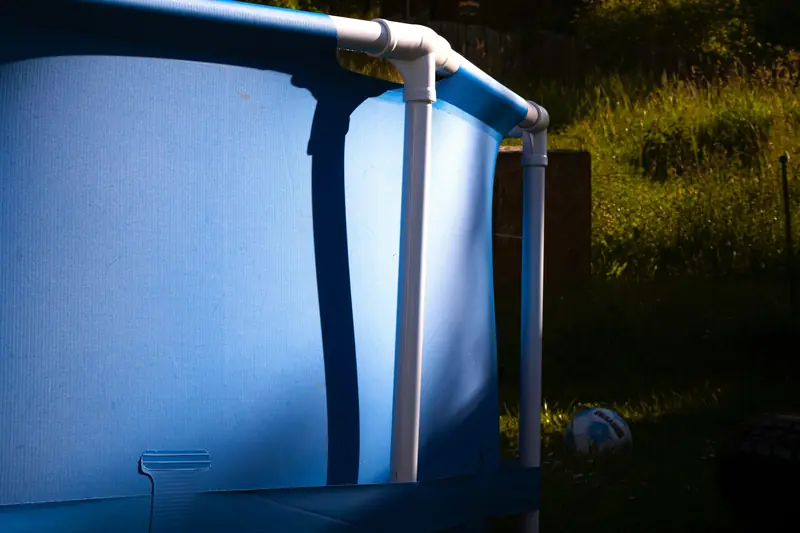
Buying guide
Best Above-Ground Pools for Backyards
Frame type, size, water capacity and setup, side by side.
-

Comparison
Sand vs Cartridge Filter: Which Is Better for Your Pool?
Backwash or rinse, cost, pump match and pool size, compared.
-
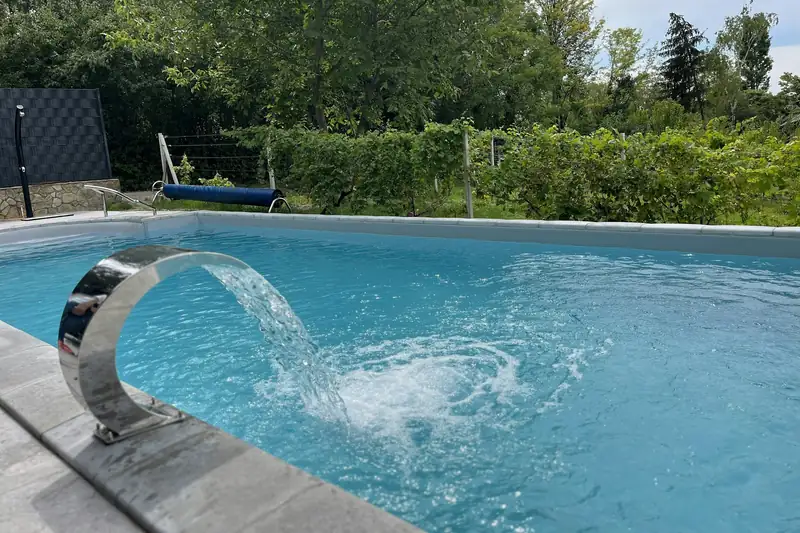
Guide
What Size Pool Pump Do I Need? A Simple Sizing Guide
Gallons, turnover time and GPM in three steps, with a worked example.
-

Buying guide
Best Saltwater Chlorine Generators for Pools
Pool rating, output, cell life and power type, side by side.
-
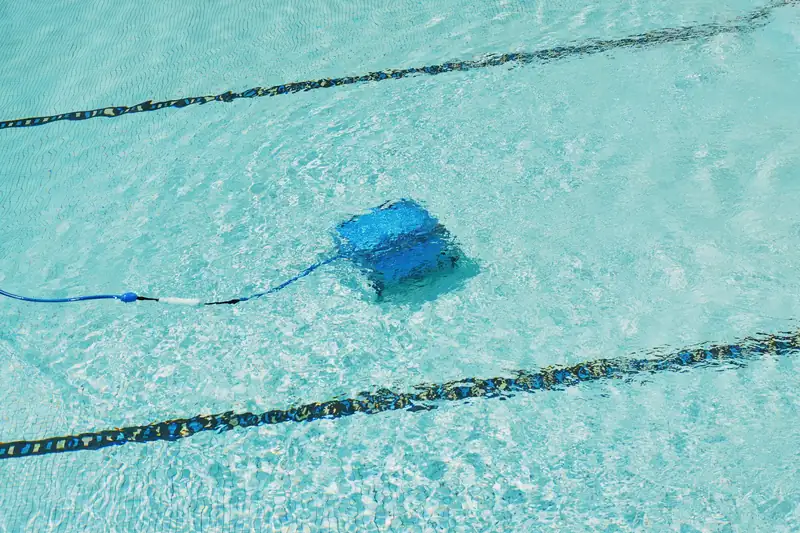
Buying guide
Best Robotic Pool Cleaners for Inground Pools
Pool size rating, coverage, power and filtration, side by side.


Get the weekly pool and hot tub checklist
A one-page printable checklist with the CDC water targets and the safety checks to run every week. Free, and sized to stick on the pool shed door.